Ами ако парашутистът не успее да отвори парашута си навреме? Има ли резервен план?
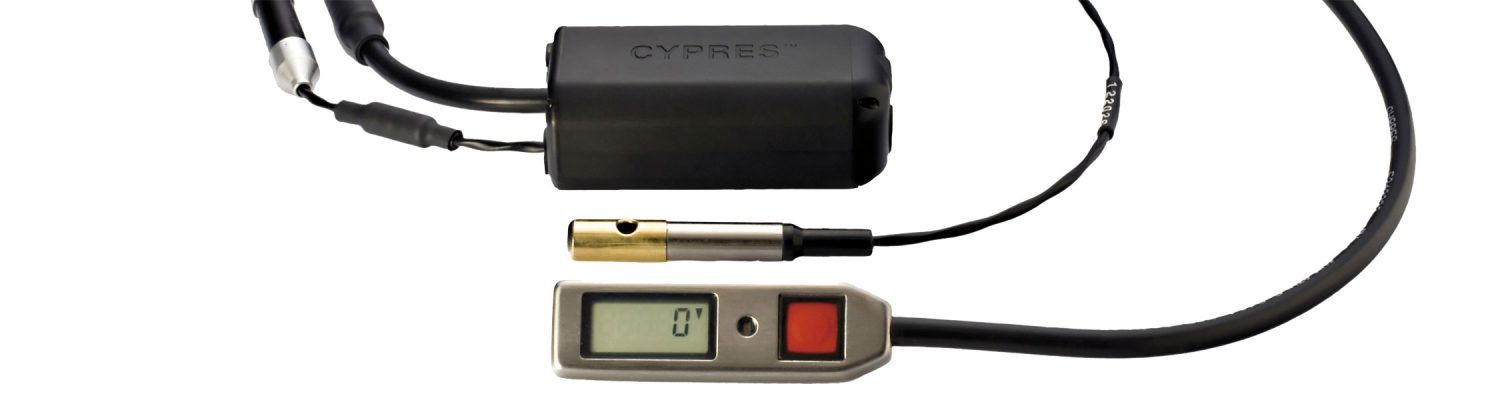
What if a skydiver is unable to open their parachute in time — is there a backup plan? There is, and it fits inside the parachute container. It’s called an AAD (Automatic Activation Device)
How does the automatic activation device work?
This electronic safety system designed to initiate reserve parachute deployment if it detects a critical combination of low altitude and high descent speed. It continuously measures air pressure to calculate altitude and descent rate. If the device’s programmed activation conditions are met, a small cutting mechanism cuts the reserve parachute’s closing loop, initiating deployment. It doesn’t steer the parachute or make decisions like a human instructor; it monitors specific conditions and reacts automatically. Think of it as a last-resort safety net that works quietly in the background.
What technologies do modern AAD devices use?
Modern AADs are compact, sophisticated pieces of technology. For example, the CYPRES 2 Expert has a processing unit weighing approximately 198 grams, with standard activation parameters of around 35 m/s (78 mph) descent speed and an activation altitude of approximately 225 meters above ground. The Vigil system measures air pressure eight times per second and recalculates descent speed every one-eighth of a second. Meanwhile, the m² multi offers different profiles for different types of skydivers and disciplines, with activation parameters adapted to the selected profile. These figures are examples, not universal settings: different models and profiles have different activation criteria.
Turning an AAD on and off is easy and takes just seconds, as you’ll see in the video. Most modern models switch off automatically after around 14 hours, but manufacturers recommend turning the device off after finishing your jumps and switching it on again before your next jump, even if you find it already switched on.
So, have AADs made skydiving safer?
The historical figures are compelling. According to the United States Parachute Association (USPA), 21 skydivers died in the US between 1995 and 1997 after failing to initiate parachute deployment in time. Between 2015 and 2017, that number fell to just two, during a period when AAD use had become widespread. USPA also reports that the overall fatality rate fell from approximately 11 deaths per 100,000 jumps in 1961 to 0.23 per 100,000 jumps in 2024. These improvements reflect many factors, including better equipment, training and safety practices — not AADs alone. And while some dropzones and organisations require AADs in certain circumstances, the rules are not universal. An AAD is a backup, not a guarantee, and it never replaces proper training or sound decisions.
Still, it’s reassuring to know that a tiny computer can be keeping watch while you enjoy the view. Because the only thing that should be on autopilot during a skydive is your playlist — not your safety decisions.