
200 km/h. Freefall. And a helmet on your head.
You’re falling through the sky at high speed, surrounded by nothing but air — and on your head, you’re wearing what looks like a very sophisticated piece of headgear. So, how much does that helmet actually matter?
The short answer is: it can help protect your head, but it isn’t magic. Modern skydiving helmets are designed with specific risks of airborne sports in mind. For example, Tonfly’s TFX full-face helmet is certified to standards including EN 966 for helmets used in airborne sports and XP S72-600, a standard specifically covering skydiving and wind tunnel use. Tonfly describes the helmet as shock-absorbing and notes that part of an impact’s energy can be absorbed by the helmet, reducing the force reaching the head.
So, what does a skydiving helmet actually do?
Different helmets are designed for different purposes, but protection is only part of the story.
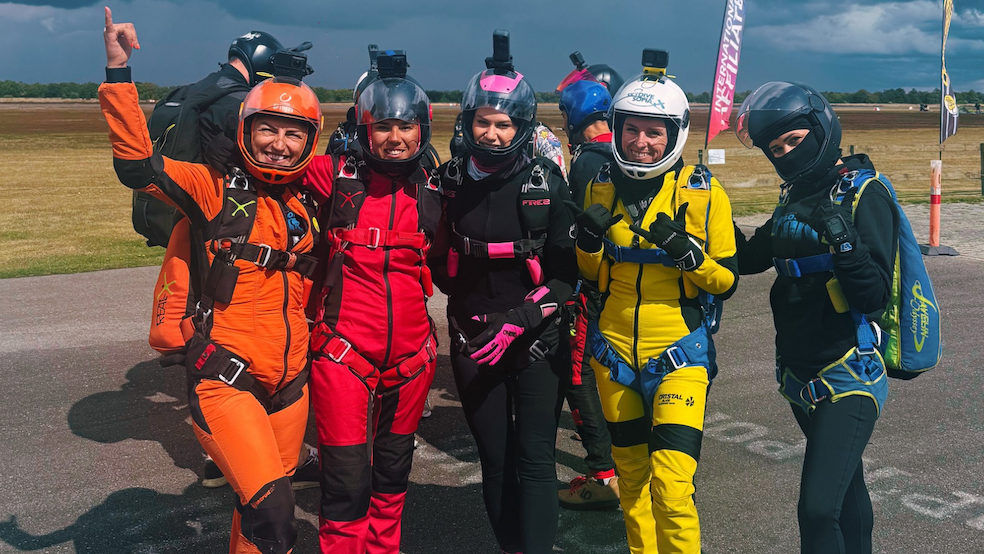
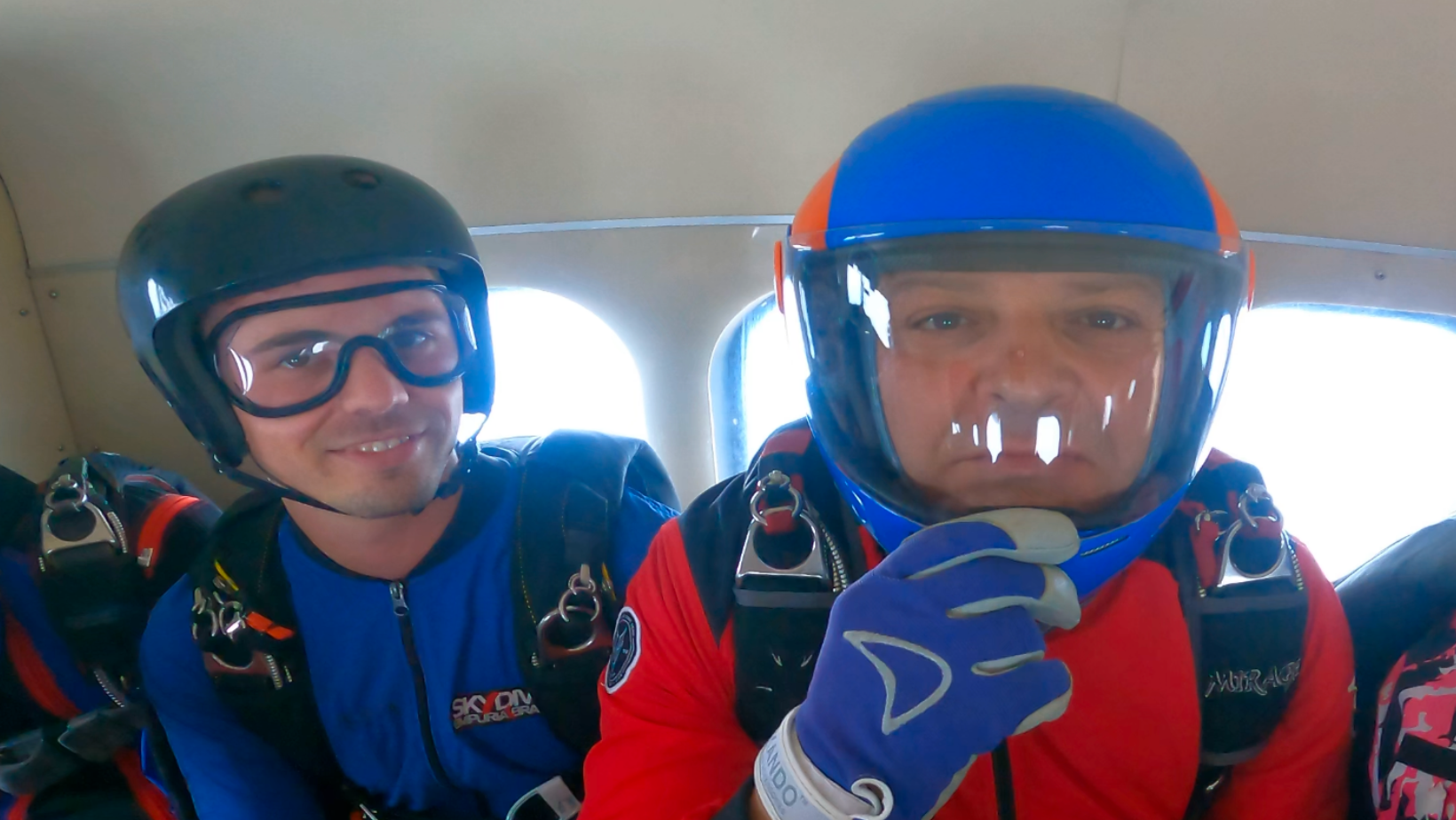
Full-face helmets such as the Tonfly TFX and Bonehead’s Fusion and Dynamic provide coverage around the head and face, while their designs also focus on visibility, fit and keeping the helmet securely in place. The Bonehead Fusion, for example, uses a carbon-fiber composite shell and a polycarbonate visor, while the Dynamic features a lightweight, low-profile carbon-fiber construction and a wide field of view.
The fit matters too. A helmet needs to stay securely positioned on your head to provide the protection it was designed to offer. Tonfly’s instructions specifically emphasize a close, comfortable fit and a properly fastened chin strap. They also warn that a helmet or visor that has suffered an impact should be replaced, even when there is no obvious visible damage.
More than just protection
A modern skydiving helmet is also a piece of equipment built around the realities of the sport.
Depending on the model, it can incorporate features such as audible-altimeter pockets, removable liners, camera mounting options, visors and communication systems.
Bonehead’s Dynamic, for example, has two internal audible pockets, while its CS1 combines a full-face helmet with an integrated communication system and audible-altimeter connectivity.
And this is where helmets become surprisingly specialized. q
An experienced skydiver might choose one design for maximum visibility, another for camera work, another for communication or simply another because it fits their head better.
There isn’t one “best” helmet for everyone — the important thing is that the helmet is appropriate for its intended use, properly fitted and used according to the manufacturer’s instructions.
So, can it save your life?
A helmet can provide valuable protection and reduce the force of some impacts, but it should never be considered a guarantee against serious injury.
Even Tonfly’s safety documentation makes this clear: the protection a helmet provides depends on the circumstances of an accident, and wearing one cannot always prevent death or long-term disability.
В документацията на Cookie е посочено, че каската е предназначена да поеме енергията от един сериозен удар и трябва да бъде заменена след такъв — дори когато няма видими повреди. Tonfly също подчертават, че нито една каска не може да осигури пълна защита при всички възможни ситуации.
In other words, a helmet is one part of a much bigger safety system.
Training, good decisions, proper equipment and following established procedures all matter.
And yes –
there is one final — highly technical — function that shouldn’t be overlooked:
It keeps your hair tidy.
Because if you’re going to fall through the sky, you might as well look good doing it.
